AI Can't Breathe
Related Episode
AI Can't BreatheI asked AI to make a photo the other day. You know what? At first glance, it was convincing. The light looked decent. The setup was believable. But then I spent 30 seconds really looking at it—actually looking—and the cracks appeared.
The hand didn’t sit right. The light felt off somehow. It was like looking at something that almost made sense but never quite landed. It looked like a photo. It wasn’t a photograph.
And that’s the thing I keep coming back to. There’s no denying AI has its place. I use it myself. For research, for writing, for sorting through ideas. It’s clever and efficient when you keep it in its lane. But when it comes to real photography—the kind that matters—AI doesn’t have a chance. Not because the technology isn’t getting better. It is. But because photography isn’t what most people think it is.
Photography Isn’t About Capturing What’s There
Here’s what I’ve learned after four decades of watching people, places, and moments unfold through a lens: photography is about recognising what’s worth keeping.
That’s it. That’s the whole game.
Anyone can pick up a phone and take a photo. Seriously, anyone. And you know what? Those pictures still matter. They still tell stories. But there’s a difference between taking a picture and being a photographer. The difference is presence.
AI can replicate a look. It can study thousands of images and generate something that mimics the mechanics of photography—composition, colour, light. It’s getting scarily good at the technical stuff. But here’s what it can’t do: it can’t live a moment.
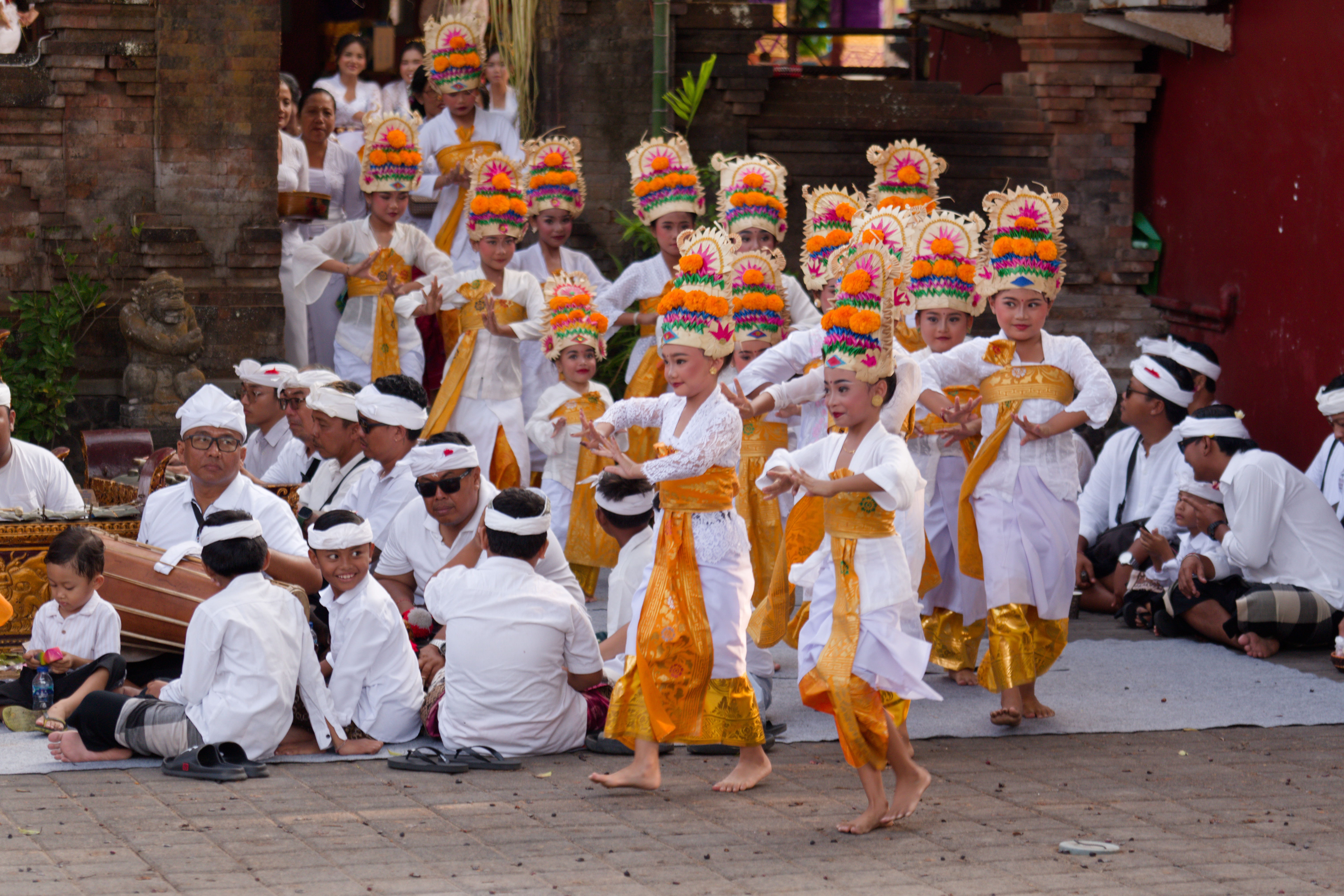
It doesn’t feel the cool air before sunrise. It doesn’t stand there watching light shift across the ocean, waiting. It doesn’t sense that split second when everything lines up—the child laughing, the fisherman casting his net, the cloud breaking. It doesn’t know why those moments matter because it’s never felt anything.
AI guesses. It guesses cleverly, sure. It’s trained on millions of images and it’s learned patterns that fool the eye. But guessing isn’t the same as knowing. And it definitely isn’t the same as feeling.
The Instinct That Can’t Be Downloaded
You want to know what separates a real photograph from an AI-generated image? It’s not perfection. In fact, it’s often the opposite.
When I’m out there—in the street, in the landscape, wherever the work is happening—I’m not looking for perfection. I’m looking for the moment when everything is true. That’s different. That’s harder. That requires something you can’t download.
It requires instinct. And instinct is lived, not learned from a dataset.
Think about street photography. Think about landscape work. Think about anything that means something. What makes those images real isn’t that they’re technically flawless. It’s that they carry the weight of someone being there. Someone breathing. Someone waiting. Someone who understood why that moment mattered before they even pressed the shutter.
There’s a quiet rhythm between people that a photographer learns to read. It’s not something you can explain in a prompt. You can’t tell an AI, “Capture the moment when two strangers make eye contact and something shifts.” The AI might generate an image that looks like that happened. But it won’t feel like it happened, because the AI was never standing there, never felt the tension, never understood the human story unfolding in front of it.
Small Imperfections Prove Presence
Here’s something that might sound backwards: the small imperfections in a photograph are what prove someone was actually standing there.
That slightly blurred hand. The light that doesn’t quite fall the way you’d expect. The grain. The slight tilt. These aren’t failures. They’re fingerprints. They’re proof of presence.
AI will get better at removing these inconsistencies. It’ll get better at perfection. And that’s exactly why its images will never matter as much as real photographs. Because perfection is the opposite of human. It’s the opposite of real.
A photographer who’s spent years learning to read light, to wait, to feel when a moment is about to happen—that person has something AI will never have. Not because they’re smarter or more creative (though they might be). But because they breathe. They stand in the cold. They wait for the light. They miss shots and learn from them. They develop an instinct that’s rooted in lived experience.
That can’t be replicated. It can’t be guessed at. It can’t be generated.
Finding AI’s Real Place
Look, I’m not anti-AI. I’m not one of those people who thinks technology is ruining everything. AI is genuinely useful. For research, for brainstorming, for sorting through problems and ideas. It’s a tool, and like any tool, it’s good when you use it for the right job.
But creating something that proves you were there? Creating something that captures a real moment and makes someone feel something when they look at it? That’s not a job for AI. That’s a job for humans. For photographers. For people who’ve learned to see.
AI might generate a picture. It can’t recreate the one that mattered. Not the one where you waited for the light. Not the one where you felt something shift. Not the one where you recognised what was worth keeping.
See With Purpose. Share With Heart.
After 40 years behind the camera, I believe in this: photography is presence. It’s the instinct to know when to press the shutter. It’s the discipline to wait. It’s the wisdom to recognise that what makes an image real isn’t perfection. It’s the evidence that someone was standing there, breathing, seeing.
That’s something no algorithm can match.
Want to hear the full conversation? Listen to this episode of As I See It to explore more about what separates real photography from AI-generated images, and why presence matters more than perfection.
See the work at petegeorge.com.au
See with purpose. Share with heart.